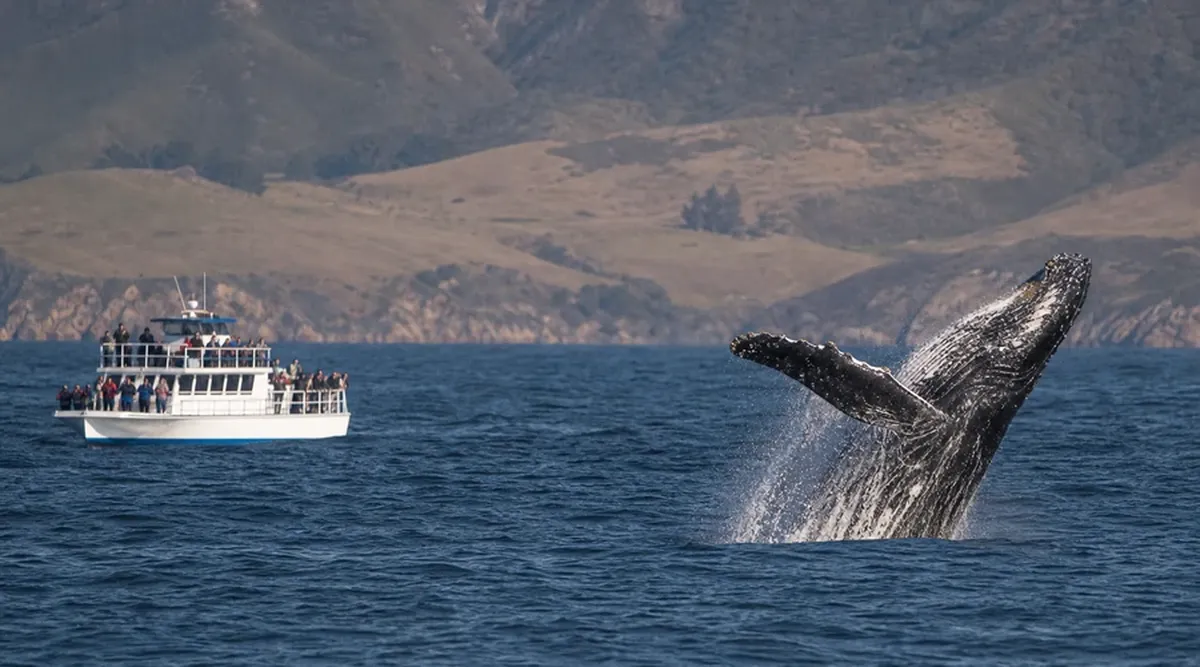
Whale Watching
Whale Watching Along United States Coasts
Whale watching from United States shores and authorized vessels offers educational opportunities to observe cetacean migration, feeding behavior, and conservation recovery stories. Species visibility depends on season, latitude, ocean temperature, and prey distribution rather than any operator promise of sightings. Gray whales migrate along the Pacific coast between Arctic feeding grounds and Baja California lagoons; humpback whales feed in Gulf of Maine and Alaska waters during summer; North Atlantic right whales remain critically endangered with strict approach regulations along the eastern seaboard. Understanding biological calendars helps set realistic educational expectations without treating marine mammals as guaranteed attractions.
Commercial whale watching in the United States operates under federal Marine Mammal Protection Act regulations administered by NOAA Fisheries, which define approach distances, speed limits near whales, and permitting requirements for educational and commercial viewing vessels. Captain and naturalist training programs vary by state; educational travelers may prefer operators affiliated with marine research institutions or accredited naturalist certification programs that publish conservation messaging aligned with NOAA guidelines rather than sensational close-approach marketing.
This guide presents general educational information about whale watching in the United States. It does not constitute personalized travel advice, wildlife encounter guarantees, or medical guidance for seasickness prevention. Ocean conditions, species presence, and tour cancellations change daily. Verify current regulations, tour schedules, and safety requirements through NOAA Fisheries pages, state marine mammal stranding network contacts, and individual operator official websites before booking.
Pacific Coast Migration and Feeding Grounds
Gray whale southbound migration peaks along the Oregon and California coast from December through February, with northbound calves and mothers visible from March through May. Shore-based observation points including designated whale watching sites in San Simeon, California, and Depoe Bay, Oregon, provide free educational viewing when weather and whale proximity align. Vessel tours depart from Monterey, San Diego, Long Beach, Newport, and numerous Washington and Alaska ports with season lengths tied to species presence rather than fixed year-round schedules.
Alaska summer whale watching centers on humpback bubble-net feeding, orca pods associated with salmon runs, and gray whale residual feeding in the Bering Sea approaches accessible from Seward, Juneau, and Kodiak. Cold-water exposure, rain gear requirements, and multi-hour transit times to productive waters characterize Alaska tours. California and Pacific Northwest orca populations include endangered Southern Resident killer whales with additional distance regulations intended to reduce acoustic and physical disturbance from vessels.
- Review NOAA Fisheries whale watching guidelines for minimum approach distances before selecting any operator.
- Dress in waterproof layers; vessel decks remain cold and wet even when harbor conditions appear mild.
- Consider motion sickness prevention strategies discussed with healthcare providers; ocean swell affects participants differently.
- Use binoculars with image stabilization for shore-based migration watching without requiring boat access.
Atlantic and Gulf Whale Observation
Atlantic whale watching concentrates off Massachusetts Cape Cod and Islands, Maine coastal waters, and Virginia/North Carolina offshore canyons accessed by specialized pelagic trips. Humpback whales, fin whales, and minke whales appear seasonally; North Atlantic right whales require extreme caution with federally mandated buffer zones that may redirect commercial tours during calving season from December through March off Georgia and Florida. Educational emphasis on right whale ship strike prevention explains why some harbor departures follow seasonal routing protocols that extend travel time.
Gulf of Mexico sperm whale and Bryde's whale research occurs primarily through scientific surveys rather than broad commercial whale watching industries found in New England. Educational visitors interested in Gulf cetaceans may find aquarium partnerships and university outreach programs more accessible than daily tour boats. Florida Atlantic coast humpback and right whale sightings occur primarily during winter months with shore-based volunteer spotting networks publishing educational counts without guaranteeing public tour availability.
- Confirm whether tours operate in your travel month; many Atlantic operators cease operations by late October.
- Understand that whale watching differs from dolphin-swim tourism regulated separately in Hawaii and Florida.
- Check vessel capacity and railing height when traveling with children; life jacket policies vary by state inspection rules.
Hawaii and Marine Sanctuary Context
Hawaiian Islands Humpback Whale National Marine Sanctuary protects breeding and calving humpbacks from November through May with shore-based viewing from Maui, Kauai, and the Big Island without requiring vessel tickets. Sanctuary education centers in Kihei and other locations explain acoustic behavior, entanglement response programs, and respectful boating practices. Vessel tours operate under federal approach rules prohibiting pursuit when whales alter course toward boats.
Spinner dolphin resting bay regulations in Hawaii restrict certain vessel activities during daytime hours when dolphins use nearshore waters for recovery from nocturnal feeding. Educational whale and dolphin observation should not be conflated; choosing operators that emphasize sanctuary compliance over close-proximity photography protects both species and visitor safety from unpredictable wild animal behavior.
- Visit Hawaiian Islands Humpback Whale National Marine Sanctuary websites for current volunteer count programs and shore viewing maps.
- Never enter water to approach whales; federal law prohibits harassment regardless of swimmer intent.
- Report entangled or injured marine mammals to NOAA hotlines rather than attempting direct intervention.
Shore-Based Versus Vessel-Based Observation
Shore-based whale watching eliminates seasickness variables and reduces carbon footprint per observation hour but depends on whales swimming within binocular range of elevated coastal overlooks. Cape Cod National Seashore high dunes, Point Vicente Interpretive Center in California, and Olympic Coast viewpoints provide interpretive signage explaining migration timing. Spotting scopes on loan at some state parks during migration festivals support educational identification without cost barriers.
Vessel-based tours offer mobility to follow whale movement at legal distances and access species feeding offshore beyond shore visibility. Tradeoffs include fuel emissions, potential whale disturbance if captains violate approach rules, and higher ticket costs funding naturalist salaries and vessel maintenance. Hybrid educational strategies combine shore mornings with afternoon vessel trips only when shore spotting confirms regional activity, reducing empty-sea transits though this approach requires itinerary flexibility.
Identification and Ethical Photography
Field guides and NOAA species identification sheets distinguish humpback fluke patterns, gray whale mottling, and minke whale surfacing sequences for educational logging. Photographing whales for personal study should avoid flash equipment that may startle animals and should never encourage captains to violate approach limits for social media content. Telephoto lenses from legal distances produce images sufficient for identification catalog contributions to citizen science platforms when those platforms request dated, geotagged submissions following research ethics review.
Drone use near marine mammals is generally prohibited or heavily restricted under FAA and NOAA overlapping rules. Educational observers report violations to NOAA enforcement contacts rather than attempting confrontation on crowded tour vessels. Quiet observation periods without engine noise benefit both whale behavior research and visitor experience quality when captains comply with idle protocols near feeding groups.
- Carry waterproof notebooks to record species, behavior, sea state, and approximate bearing without relying on phone apps in salt spray.
- Learn fluke identification basics to appreciate individual whale catalog projects at research institutions.
- Support operators publishing annual sustainability reports or participating in whale disentanglement fund drives with transparent accounting.
Conservation Context and Educational Follow-Through
Whale populations recovered in some regions after commercial whaling cessation while others remain endangered due to ship strikes, entanglement in fishing gear, ocean noise, and climate-driven prey shifts. Educational whale watching connects to policy topics including vessel speed restrictions in shipping lanes, ropeless fishing gear research, and marine protected area designations debated in public forums. Visiting does not obligate advocacy, but accurate understanding of recovery status prevents misinformation about which species are thriving versus vulnerable.
Post-trip educational extensions include exploring necropsy reports published by marine mammal stranding networks, attending university marine science public lectures, and reading NOAA stock assessment documents summarizing population trends with statistical uncertainty clearly stated. Children benefit from age-appropriate books from regional aquarium gift shops paired with realistic discussion that absence of sightings on any given day reflects wild animal behavior rather than tour failure.
Planning Variables and Weather Realities
Wind, fog, and small craft advisories cancel whale watching tours frequently in New England, Pacific Northwest, and Alaska without refund policies always covering lodging sunk costs. Building backup indoor marine science activities— aquarium visits, maritime museum theaters, NOAA visitor centers—prevents educational trip collapse when seas prohibit departure. Morning tours often encounter calmer conditions before diurnal wind increases, though no universal rule applies across all harbors.
Season selection trades species diversity against weather comfort. Alaska offers dense humpback concentrations with cold rain; Baja lagoon gray whale mother-calf interactions occur in sheltered waters with desert climate extremes nearby. Educational planners align priorities explicitly rather than assuming one destination satisfies every whale interest.
- Read operator cancellation policies before purchasing nonrefundable coastal lodging tied to specific tour dates.
- Monitor marine forecast products from NOAA National Weather Service offices serving your departure harbor.
- Allow two potential tour days in itinerary when budget permits to absorb one weather cancellation without missing migration window entirely.
- Verify accessibility accommodations on vessels; boarding ramps and restroom sizes vary on older charter boats.