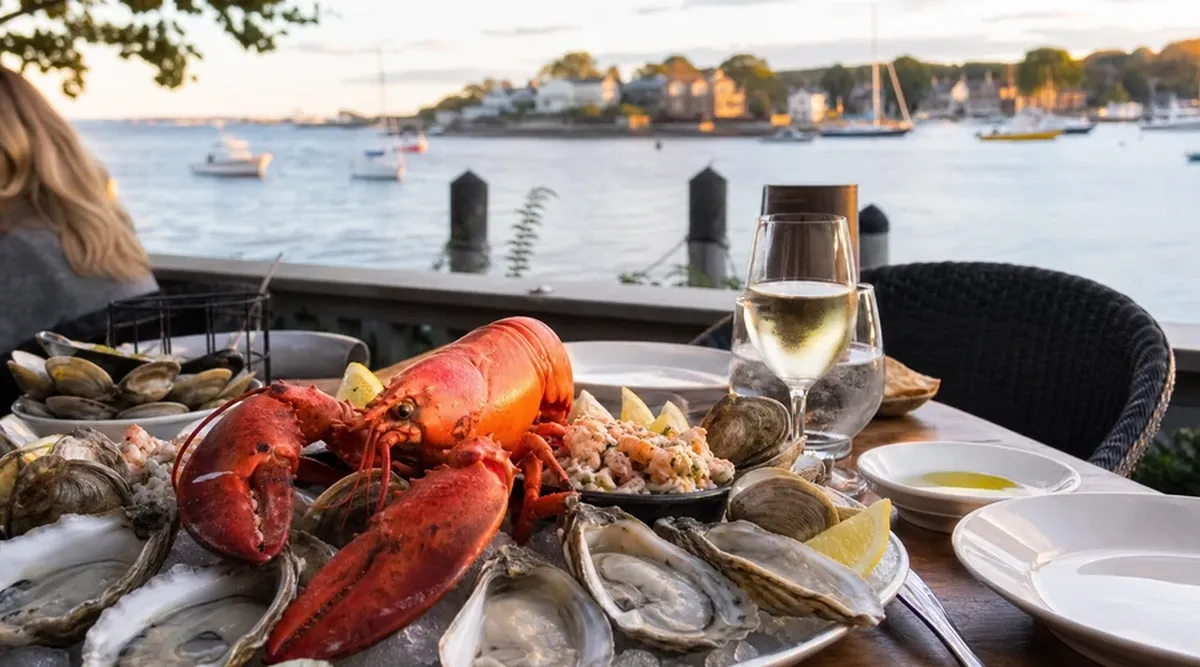
Seafood Restaurants
Coastal Seafood Dining as Educational Exploration
Seafood restaurants along United States coastlines reflect regional fisheries, cultural heritage, seasonal harvest limits, and food safety regulations administered by the FDA, state health departments, and NOAA fisheries management councils. Dining choices intersect with sustainability science, aquaculture development, and working waterfront economics in ways educational travelers can explore without treating any single meal as a definitive statement about an entire regional industry. Lobster pounds in Maine, oyster bars in Washington, shrimp boats supplying Gulf Coast kitchens, and salmon preparations in Alaska each connect to distinct supply chains documented in public fisheries landings data published annually.
Menu descriptions using terms such as day boat, locally sourced, or sustainable require critical evaluation because marketing language exceeds standardized legal definitions in many jurisdictions. Educational diners consult NOAA FishWatch species profiles, Marine Stewardship Council certification where applicable, and state aquaculture agency reports to understand which stocks face overfishing pressure versus rebuilt populations. This research supports informed ordering without implying that any consumer choice single-handedly determines fishery outcomes.
This guide presents general educational information about coastal seafood dining in the United States. It does not constitute personalized dietary advice, restaurant recommendations, food safety guarantees, or health guidance for shellfish allergy management. Menu availability, prices, hours, and sourcing change frequently. Verify current information through official health inspection databases, restaurant official websites, and fisheries advisory pages before dining, especially if you have medical dietary restrictions.
Regional Species and Seasonal Availability
Atlantic coast menus feature blue crab, clams, oysters, scallops, haddock, cod, and seasonal soft-shell crab windows governed by molt cycles and state harvest regulations. Chesapeake Bay oyster restoration influences availability and price; Rappahannock River and Gulf of Maine oysters appear on raw bars with appellations indicating harvest location similar to wine terroir concepts. Closed seasons for stone crab claws in Florida, lobster in parts of Atlantic Canada trade affecting Maine supply chains, and red tide shellfish harvesting bans demonstrate why seasonal menus shift without warning.
Pacific coast offerings include Dungeness crab with winter season openings announced by state fish and wildlife commissions, Pacific salmon species varying by run timing and endangered status, and uni from sea urchin divers operating under strict quota systems. West Coast sardine and anchovy fisheries fluctuate with ecosystem regime shifts documented in fishery science literature rather than restaurant marketing. Hawaii menus integrate culturally significant species prepared through traditional and contemporary techniques with import dependence for many proteins due to geographic isolation.
- Review state health department shellfish closure maps before consuming raw oysters or clams harvested nearby.
- Ask servers about species identification when menu terms like snapper or grouper may legally describe several fish types.
- Understand that fresh off the boat does not automatically mean locally landed; distributors supply many coastal restaurants.
Working Waterfronts and Supply Chain Transparency
Dock-to-table narratives appear in promotional materials from coastal chambers of commerce and individual restaurants; verification involves asking whether specific species were landed at named ports within defined timeframes—a level of detail many establishments cannot provide during busy service. Fishermen's cooperatives operating retail counters in ports including Newport, Oregon, and Beaufort, North Carolina, offer more direct observation of landings though preparation remains home kitchen responsibility for food safety.
Processing regulations require HACCP plans for seafood distributors; restaurant inspection scores appear on county health department websites searchable by address. Educational interest in supply chains extends to ice handling on boats, traceability programs responding to mislabeling studies, and fair wage debates within processing plants affecting community stability in fishing towns. Observing harbor landings in early morning hours contextualizes restaurant inventory rhythms without requiring purchase.
- Search county restaurant inspection records for recent violation categories involving temperature control or cross-contamination.
- Visit working waterfront museums adjacent to dining districts for historical context on cannery and ice house infrastructure.
- Recognize that community-supported fisheries programs operate in some ports selling shares directly to consumers outside restaurant channels.
Aquaculture and Wild Harvest Comparisons
Farmed oysters, mussels, clams, and salmon appear prominently on coastal menus with aquaculture operations visible from highway causeways in Virginia, Washington, and Maine. Educational materials from Sea Grant extension programs explain recirculating systems, net pen controversies, and bivalve filtration benefits for water quality. Wild versus farmed taste comparisons remain subjective; environmental tradeoff analysis references peer-reviewed lifecycle assessments rather than social media absolutes declaring one category universally superior.
Imported shrimp and tilapia supplement domestic landings in many restaurants regardless of coastal proximity; country-of-origin labeling requirements apply at retail but restaurant service exemptions vary. Educational diners reading about shrimp trawl bycatch reduction devices and domestic wild shrimp seasonality in the Gulf can ask informed questions without expecting servers to deliver fisheries policy lectures during peak dinner rush.
- Consult FDA advice regarding mercury and PCBs for pregnant individuals and children when selecting large predatory fish species.
- Review allergen communication practices if managing shellfish or finfish allergies; cross-contact risks exist in any shared kitchen.
- Explore Sea Grant state extension websites for species-specific sustainability fact sheets written for public audiences.
Cultural Context and Preparation Traditions
Coastal food traditions include Lowcountry boil gatherings, New England clambakes requiring permit fires on some beaches, Louisiana crawfish boils inland from Gulf docks, and Native tribal salmon ceremonies not marketed as tourist dining but relevant to understanding regional food sovereignty discussions. Immigrant communities shaped fishing fleets—Southeast Asian shrimpers on the Gulf, Portuguese and Azorean influence in New Bedford, Massachusetts, and Japanese American tuna processing heritage on the West Coast—visible in restaurant ownership patterns and recipe adaptation.
Historical exclusion and labor exploitation appear in maritime industry archives; educational dining appreciation acknowledges these contexts when visiting heritage districts where tourism revenue now partially replaces collapsed industrial employment. Chowder competitions, oyster festivals, and seafood fairs publish schedules on town websites with admission fees funding local nonprofits; attending supports community organizations when budget allows without requiring participation in every advertised tasting event.
Food Safety and Vulnerable Populations
Raw and undercooked shellfish carry Vibrio bacteria risk elevated in warm months; health departments issue advisories for immunocompromised individuals, older adults, and others whom clinicians may advise to consume fully cooked seafood only. Cross-border travelers should note that U.S. inspection standards differ from home country familiarity; ice display temperatures and buffet holding times fall under local code enforcement observable through official inspection postings at restaurant entrances in many states.
Alcohol service near harbors combines with sun exposure and dehydration on vacation schedules; educational framing treats moderation as personal health responsibility unrelated to regional cuisine quality. Tap water safety varies; coastal restaurants in municipalities with aging pipe infrastructure sometimes serve filtered water upon request documented in local water quality consumer confidence reports.
- Carry prescribed epinephrine devices when managing severe seafood allergies regardless of prior restaurant experience elsewhere.
- Request internal temperature confirmation for finfish when pregnancy or immune status warrants fully cooked proteins.
- Wash hands after handling shell-on items at casual waterfront counters before touching faces or shared condiment stations.
Ethical Consumption Without Prescriptive Judgment
Educational seafood dining avoids both uncritical consumption and performative rejection of all wild harvest. Fishery management success stories including rebuilt scallop stocks in some Atlantic zones coexist with continued overfishing concerns for specific species. Choosing diverse species lower on food webs, trying underutilized fish marketed to reduce waste, and supporting restaurants transparent about sourcing represent constructive engagement paths without guarantees of ecological outcome.
Price points reflect fuel costs for boats, ice, crew wages, lease fees for aquaculture beds, and real estate costs in tourist harbors—not merely food weight. Educational travelers budgeting coastal trips should anticipate that waterfront location premiums fund dock maintenance and municipal infrastructure rather than indicating automatic quality superiority over inland fish markets receiving identical distributor deliveries overnight.
Integrating Dining With Coastal Itineraries
Scheduling seafood meals after harbor walks or fish market morning visits reinforces supply chain learning. Midday dining during summer avoids evening crowds and aligns with traditional fisherman breakfast culture in working ports where restaurants close by afternoon. Reservations remain advisable for waterfront tables during holiday weekends though walk-in counter service at shacks and market stalls preserves spontaneity when health inspection scores remain satisfactory.
Documenting meal species, preparation method, and stated origin in a travel journal supports later comparison with fisheries landing statistics available online, revealing disconnects between marketing and data. This practice cultivates media literacy applicable beyond coastal travel to any locavore claim encountered in domestic food marketing.
- Balance rich seafood meals with hydration during hot coastal afternoons to support general comfort.
- Tip service staff fairly during seasonal housing crises affecting many coastal restaurant workers.
- Avoid ordering threatened species when NOAA lists them as overfished with rebuilding plans still incomplete.
- Pair dining districts with maritime museum visits to connect plate contents with exhibited gear and processing history.