Beach Safety
Beach Safety Fundamentals on U.S. Coasts
Beach safety along United States coastlines requires understanding rip currents, tidal inundation, cold water shock, lightning, wildlife hazards, sun exposure, and changing regulatory boundaries between swimming zones and protected habitat. Lifeguarded beaches managed by municipalities, counties, or state parks provide the strongest public safety infrastructure through trained rescue personnel, flagged condition systems, and emergency communication links to local EMS. Unguarded beaches demand greater self-rescue capability and conservative water entry decisions because response times from distant stations may exceed critical drowning survival windows documented in open-water rescue literature.
Educational beach safety differs from alarmist messaging by emphasizing verifiable risk factors observers can evaluate on arrival: surf height trends, wind direction, crowd density near jetties, discoloration suggesting outlet pipes or algal blooms, and lifeguard flag colors explained on signage at park entrances. No safety practice eliminates all risk in dynamic coastal environments; preparation and judgment reduction represent realistic goals rather than absolute guarantees promoted by unreliable commercial sources.
This guide presents general educational information about beach safety in the United States. It does not constitute personalized medical advice, lifeguard instruction, or legal guidance regarding parental supervision duties. Conditions change hourly. Always follow on-site lifeguard instructions, official NOAA beach hazard statements, and state health department advisories current on the day of your visit.
Rip Currents and Surf Zone Dynamics
Rip currents are narrow channels of water flowing seaward through the surf zone, often visible as darker calm gaps between breaking waves but sometimes undetectable to casual observers. They cause the majority of beach rescues on U.S. ocean coasts according to United States Lifesaving Association statistics summarized in public education campaigns. Escape technique taught nationwide instructs swimmers to float or swim parallel to shore out of the current rather than exhausting themselves swimming directly toward beach against flow. Panic increases drowning risk; floating to conserve energy while signaling for help represents valid strategy for weak swimmers.
Permanent rip currents form near groins, jetties, and pier pilings; episodic rips appear on open beaches after swell events rearranging sandbar morphology overnight. Channelized tidal inlets in Florida, North Carolina, and Oregon produce extreme combined current hazards unrelated to typical beach rips; signage often prohibits swimming entirely in these zones. Body surfing and boogie boarding participants should review local ordinances requiring fin use or leash attachments preventing board separation injuries to others.
- Swim only when lifeguards are on duty if your party includes children or non-strong swimmers.
- Locate rip current educational signage at beach entrance and identify flagged warning levels before entering water.
- Avoid swimming alone on any beach regardless of perceived calm conditions.
- Learn basic CPR and rescue breathing through American Red Cross courses before extended coastal vacations.
Cold Water, Hypothermia, and Hidden Drop-Offs
Pacific and northern Atlantic water temperatures remain cold enough year-round to trigger cold water shock gasp reflex upon sudden immersion, potentially causing immediate drowning before hypothermia develops. Gradual wading allows breathing control; cliff jumping and pier jumping into unknown depth water causes spinal injuries and fatalities annually despite social media normalization. Great Lakes beaches share cold water risks without ocean salt buoyancy slightly aiding floatation; freshwater drownings occur when swimmers overestimate endurance.
Steep beach profiles on Pacific coasts drop quickly into deep water compared with gradual Gulf slopes; parents should stay within arm's reach of small children on unfamiliar beaches regardless of Gulf experiences elsewhere. Hole digging deeper than knee height poses collapse suffocation hazards documented in pediatric emergency literature; filling holes before leaving beaches protects others walking at dusk.
- Wear life jackets for open-water swimming when not confident in self-rescue ability even if others nearby swim without them.
- Recognize hypothermia symptoms including shivering loss, slurred speech, and confusion requiring immediate warming and EMS contact.
- Never turn back on ocean waves when standing on wet sand near logs on Pacific Northwest beaches.
Lightning, Sun, and Atmospheric Hazards
Lightning strikes beaches with fatalities when storms approach while swimmers remain in water conducting electricity efficiently. Clear-the-water policies when lifeguard horns sound should prompt immediate inland movement to enclosed vehicles or buildings—not solitary picnic shelters open on sides. Gulf and Florida afternoon thunderstorm patterns predictably develop; morning beach time reduces lightning exposure statistically though not absolutely.
Ultraviolet radiation reflects off sand and water increasing exposure compared with inland shade environments. Broad-spectrum sunscreen reapplied per manufacturer guidance, UV-protective clothing, and shade breaks reduce sunburn and long-term skin damage risks. Heat illness including dehydration affects beach visitors who underestimate fluid needs while breezes mask perceived heat index; alcohol consumption accelerates dehydration and impairs judgment near water.
- Monitor NOAA weather radio or mobile alerts for lightning within ten miles during beach days.
- Seek shade during midday hours especially for infants under six months where pediatricians often advise minimal direct sun.
- Know location of nearest staffed facility or ranger station for heat illness response beyond beach blanket isolation.
Wildlife, Water Quality, and Environmental Hazards
Shark bite incidents remain statistically rare compared with drowning yet attract disproportionate fear; educational context from Florida Museum international shark attack file summarizes relative risk alongside bee sting and driving fatalities for perspective. Avoid swimming near fishing bait activity, seal colonies attracting predators, or dawn/dusk low visibility periods recommended in general safety guidance. Stingray shuffle technique—shuffling feet along sandy bottom rather than stepping—to reduce stingray defensive strikes applies in Gulf and southern Atlantic warm shallows.
Jellyfish and Portuguese man-of-war strandings close beaches temporarily when health departments issue warnings; vinegar rinse for certain jelly stings and hot water immersion for others appear in regional first-aid guidance differing by species—posting signage at lifeguard stands should be consulted rather than universal internet remedies. Harmful algal blooms and bacterial closures following heavy rainfall appear on state health department beach monitoring pages updated daily or weekly by jurisdiction.
Marine Debris, Glass, and Shoreline Infrastructure
Broken glass, fishing hooks, and sharp shell deposits cause foot injuries; footwear beyond flip-flops protects during beach walks especially after holiday weekends leaving debris. Storm overwash deposits marine debris including lumber with rusted nails; children should not play in wrack piles unsupervised. Outfall pipes marked by signage indicate urban runoff zones where swimming should cease for forty-eight hours after rain events per common public health guidance though local ordinances vary.
Off-road vehicle corridors on designated national seashores require pedestrians to maintain visibility awareness; bright clothing reduces collision risk where beach driving remains legal under permit systems. Bonfire pits left smoldering cause burn injuries; only established fire rings in permitted locations should be used with complete extinguishing before departure verified by dousing and hand testing from safe distance.
- Review water quality test results on state beach monitoring portals before swimming after storm events.
- Carry basic first aid including tweezers for hook removal and bandages for shell cuts.
- Report injured marine mammals or sharks close to shore to lifeguards rather than approaching animals.
Supervision, Signage Literacy, and Emergency Response
Parental supervision remains primary safety layer because lifeguards cannot watch every swimmer simultaneously on crowded summer beaches. Designating adult water watchers in rotation during group gatherings prevents assumption that someone else monitors children. Floatation toys including inflatables are not life-saving devices and may blow offshore faster than parents can swim pursuit distances; Coast Guard-approved life jackets fit children snugly without riding up over chin when arms raised overhead.
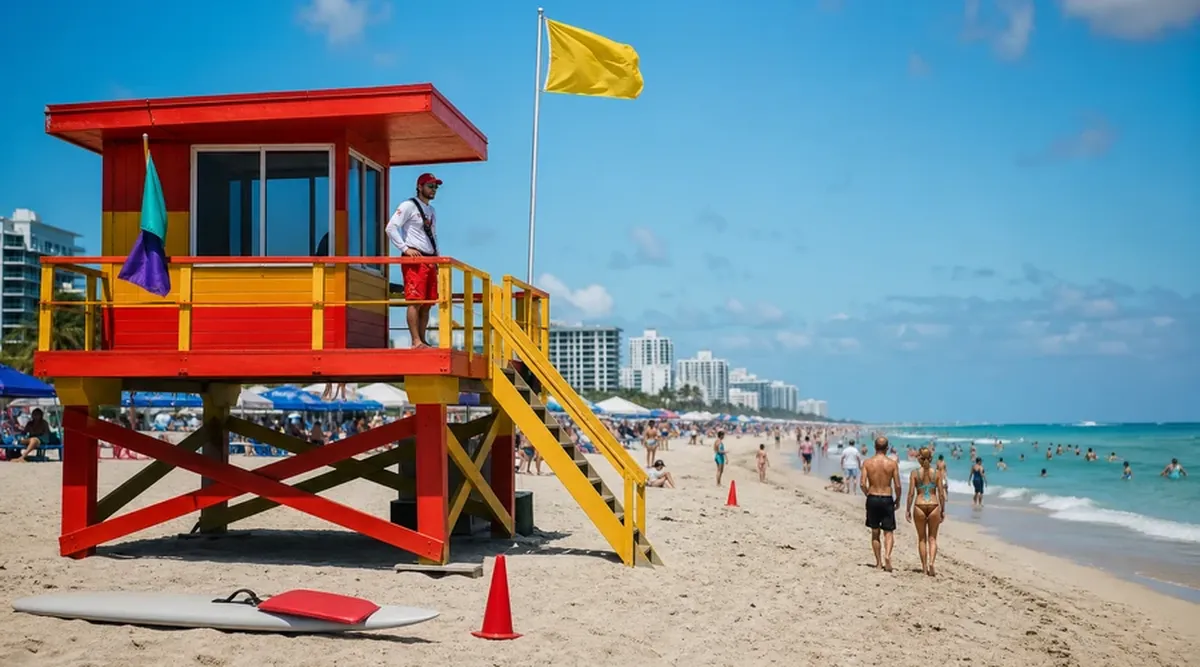
Beach flag systems vary slightly by municipality but generally follow patterns: green moderate conditions, yellow caution, red high hazard, double red water closed, purple marine pest present. Text supplementary signs explain localized hazards like stingrays or shorebreak injury risk on steep beaches. 911 location challenges on long undeveloped beaches require knowing cross-access road names or mile markers posted on national seashore driving routes; some parks install emergency call boxes at remote intervals documented on park maps.
Planning Safer Coastal Visits
Educational beach safety planning includes identifying nearest hospital or urgent care drive times when selecting remote coastlines, packing whistle for signaling if separated from group, and agreeing verbal check-in intervals for adolescent swimmers granted limited independence. Night swimming without lifeguards on unlit beaches combines visibility and crime safety concerns addressed differently by local law enforcement jurisdictions; municipal ordinances may prohibit after-dark water entry entirely.
Disability-inclusive safety planning verifies whether adaptive beach wheelchairs include flotation components rated for water transfer when advertised as amphibious; not all beach mobility devices are intended for surf entry. Hearing-impaired visitors should confirm whether lifeguard whistle signals include flag-only communication during rescues visible from shore without audio cues.
- Photograph beach entrance signage flags and text advisories upon arrival for reference if conditions change during long stay.
- Teach children to identify lifeguard tower locations before play begins.
- Store emergency contacts in waterproof phone cases; salt damage disables devices precisely when needed.
- Complete American Red Cross or equivalent water safety courses before supervising others in surf environments.