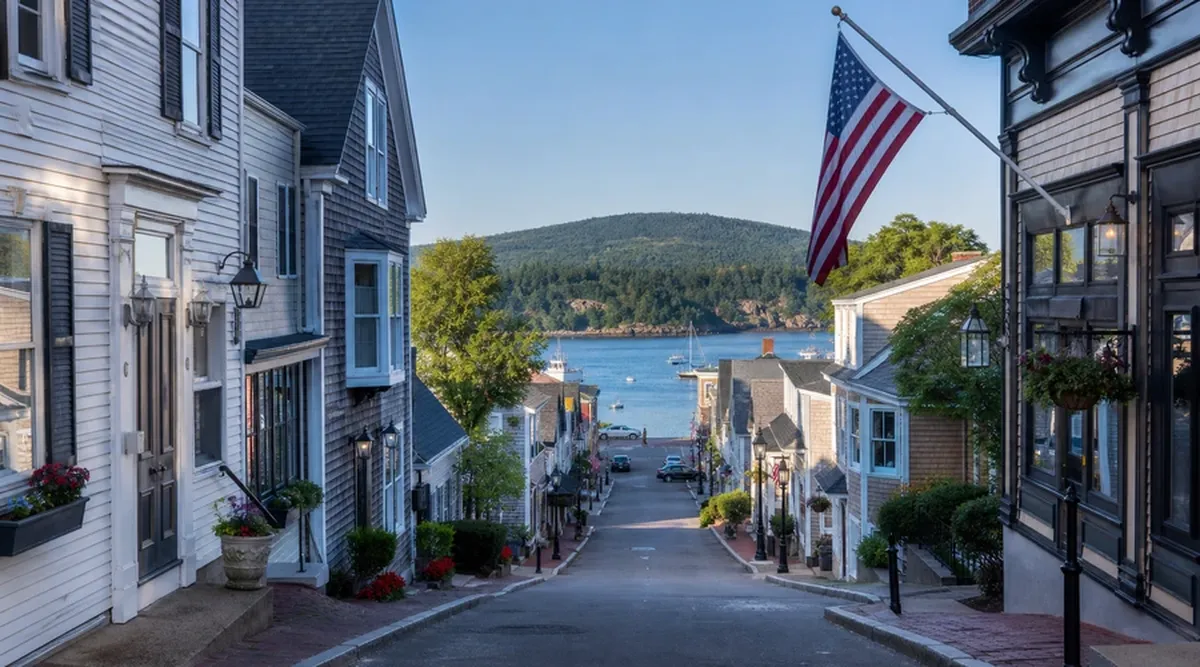
Coastal Towns
Exploring Seaside Communities Along U.S. Coasts
Coastal towns across the United States developed where geography, harbor depth, fishing resources, or railroad terminals created economic opportunity. Today these communities range from working waterfront cities such as Gloucester, Massachusetts, and Kodiak, Alaska, to tourism-oriented villages like Carmel-by-the-Sea, California, and Beaufort, South Carolina. Understanding a town's historical function—commercial fishing, shipbuilding, military defense, resort development, or port logistics—helps visitors interpret architecture, museum exhibits, and seasonal rhythms without treating every seaside place as interchangeable beach infrastructure.
Walkable downtown districts in coastal towns often preserve nineteenth-century street grids, wharves, and cannery buildings adapted for contemporary retail and dining. Historic district designations, Main Street programs, and local preservation ordinances shape what visitors see but do not freeze communities in time. Residents balance economic dependence on visitors with housing affordability, storm resilience investments, and environmental regulations affecting working waterfronts. Educational travel approaches coastal towns as living communities rather than themed attractions, respecting local services, school traffic patterns, and municipal meeting schedules that continue regardless of tourism seasons.
This guide presents general educational information about United States coastal towns. It does not constitute personalized travel advice, lodging recommendations, or guarantees about business hours, event schedules, or pricing. Local conditions change frequently. Verify current information through official chamber of commerce websites, municipal visitor pages, state tourism offices, and direct contact with museums or tour operators before making plans.
New England and Mid-Atlantic Harbor Towns
New England coastal communities from Portland, Maine, to Mystic, Connecticut, emphasize maritime heritage, lobster and shellfish economies, and compact historic cores suitable for pedestrian exploration. Nantucket and Martha's Vineyard in Massachusetts require ferry reservations with vehicle restrictions during peak summer weeks; educational planners review Steamship Authority and private ferry schedules months ahead when possible. Newport, Rhode Island, combines Gilded Age mansion museums with active Navy installations and sailing culture documented at the International Tennis Hall of Fame and local maritime centers.
Mid-Atlantic towns including Annapolis, Maryland, Lewes, Delaware, and Cape May, New Jersey, blend recreational boating, bird migration geography along the Atlantic flyway, and Victorian or colonial architecture. Chesapeake Bay communities interpret oyster restoration, crabbing traditions, and watermen heritage through state-run environmental education centers. Winter seasons in many New England and mid-Atlantic coastal towns reduce restaurant and shop hours substantially; educational visitors who prefer quieter atmospheres may find shoulder seasons more aligned with local pace than peak July weekends.
- Review ferry capacity and cancellation policies before booking lodging on island communities without bridge access.
- Check municipal parking maps; historic districts often restrict street width and turning radius for oversized vehicles.
- Consult town clerk or planning department pages for construction projects affecting waterfront access during your visit window.
- Respect residential neighborhoods adjacent to harbor walks; not every scenic lane is a public tourist corridor.
Southeast and Gulf Coastal Settlements
Southeast Atlantic towns from St. Augustine, Florida—the nation's oldest continuously occupied European-founded city—to Charleston, South Carolina, and Savannah, Georgia, present layered histories involving Spanish colonial missions, plantation economies, Civil War fortifications, and twentieth-century resort expansion. Interpretive programs at national monuments and local museums address difficult historical topics; educational visitors engage with these narratives thoughtfully rather than seeking simplified nostalgia. Low-country geography introduces tidal creeks, salt marshes, and live oak canopies that define town edges as much as ocean beaches do.
Gulf Coast communities from Apalachicola, Florida, through Mobile, Alabama, and Galveston, Texas, reflect hurricane recovery cycles visible in mixed-era architecture and elevated construction standards. Shrimp fleet docks, oyster processing heritage, and offshore energy service industries coexist with beach tourism in many Gulf towns. Seasonal humidity and afternoon thunderstorms shape daily activity patterns; indoor cultural attractions including regional aquariums and hurricane education centers provide structured learning during weather interruptions.
- Review heat index forecasts when planning extended walking tours of historic districts without shade.
- Understand that some coastal towns enforce open-container or noise ordinances on waterfront promenades.
- Seek locally published history walking tour brochures at public libraries rather than relying solely on unverified online lists.
Pacific Coast Villages and Harbor Cities
Pacific coastal towns from Mendocino, California, through Cannon Beach, Oregon, to Port Townsend, Washington, emphasize timber history, commercial fishing regulation changes, and arts colony development within dramatic cliff-and-beach settings. California Highway 1 and U.S. Route 101 connect many communities where parking is limited and RV length restrictions apply on main street grades. Astoria, Oregon, at the Columbia River mouth interprets Lewis and Clark expedition history alongside contemporary shipping traffic visible from riverfront parks.
San Francisco Bay Area and Puget Sound harbor cities including Sausalito, California, and Friday Harbor, Washington, function as ferry-linked communities where water transit schedules integrate with land-based exploration. Educational visitors study tide tables when walking waterfront trails that flood during king tides. Pacific coast towns often maintain stronger connections to working fisheries than purely resort destinations; harbor observers should keep safe distances from active crane operations and fish processing areas.
- Confirm whether wildfire smoke from regional events may reduce air quality in coastal towns inland of ocean breeze layers.
- Check bridge weight and height limits when driving coastal byways between cliffside communities.
- Layer clothing for fog cycles that drop temperatures twenty degrees within an hour on northern Pacific shores.
Local Economies and Seasonal Patterns
Coastal town economies fluctuate with fishing seasons, cruise ship calendars, summer rental markets, and storm insurance cycles invisible to short-term visitors. Restaurants and shops staffed for summer peaks may close entirely from November through March in northern towns. Shoulder seasons—late spring and early fall—often provide access to local officials, artists, and fishermen willing to discuss community challenges during quieter periods. Educational interest in coastal resilience includes observing raised infrastructure, flood gates, and dune restoration projects funded through federal and state programs documented in public meeting minutes.
Affordable housing shortages affect many popular coastal communities where short-term rental regulations remain politically contested. Visitors contribute to local economies through lodging taxes and dining but also participate indirectly in traffic and waste management demand. Minimal-impact practices—using public transit where available, patronizing locally owned businesses with documented community ties, and staying multiple nights rather than day-tripping through congested village centers—align with educational respect for host communities.
Cultural Institutions and Interpretive Resources
Maritime museums, lifesaving station restorations, fishing cooperatives with visitor galleries, and Native tribal cultural centers along U.S. coastlines provide authoritative context. The Maine Maritime Museum, Chesapeake Bay Maritime Museum, Columbia River Maritime Museum in Oregon, and similar institutions publish exhibit catalogs and speaker series schedules online. Small-town historical societies in coastal counties often maintain research archives open by appointment, valuable for genealogists and students of regional architecture.
Art galleries and festival calendars in coastal towns reflect place-based themes—plein air painting traditions on the Monterey Peninsula, quilt shows in Carolina fishing villages, and wooden boat gatherings in Pacific Northwest inlets. Event dates shift annually; official town calendars supersede third-party aggregation sites that may display outdated festival listings from prior years.
- Verify museum closed days; many small coastal institutions close midweek outside summer season.
- Ask visitor centers about free walking tour times led by volunteer historical societies.
- Review tribal nation websites before visiting cultural sites on or near indigenous coastal lands.
Navigation, Parking, and Accessibility in Small Coastal Towns
Narrow streets, one-way harbor loops, and limited RV parking define many seaside communities. Satellite navigation systems occasionally route large vehicles onto waterfront lanes with overhang restrictions or weight-limited wooden bridges. State transportation department county maps and town-center schematic parking diagrams provide safer planning inputs. Electric vehicle charging availability remains sparse in some rural coastal counties; identify charging locations before committing to overnight stays distant from main highways.
Accessibility in historic coastal districts may involve cobblestone, brick, or steep wharf ramps without continuous ADA-compliant paths. Some towns deploy seasonal beach wheelchairs or offer harbor tour boats with boarding assistance when requested in advance. Telephone inquiries to specific businesses about step counts and doorway widths produce more useful answers than generic accessibility icons on booking platforms.
Overnight Stays and Community Relations
Lodging in coastal towns spans historic inns, family-operated motels, campgrounds near estuaries, and vacation rentals regulated by local ordinances. Noise curfews in residential zones near harbors may begin earlier than visitors expect. Educational travelers introduce themselves to lodging hosts with questions about storm evacuation routes and recommended non-commercial viewpoints rather than seeking insider tips that pressure hosts to favor individual guests over neighborhood quiet.
Contributing positively includes dining at establishments sourcing regional seafood through documented supply chains, tipping service workers appropriately during peak season staffing shortages, and following recycling and compost sorting rules that differ municipality to municipality. Coastal towns depend on volunteer emergency services; avoid blocking hydrants, boat launch ramps, or lifeboat access lanes when parking for photography stops.
- Identify town-specific emergency alert registration systems for hurricane or tsunami notifications during coastal stays.
- Pack rain gear and secure hats in windy harbor districts where gusts funnel between buildings.
- Photograph respectfully near working docks; ask permission before documenting identifiable commercial crew members at close range.
- Leave coastal towns without littering cigarette butts or fishing line on waterfront benches and piers.