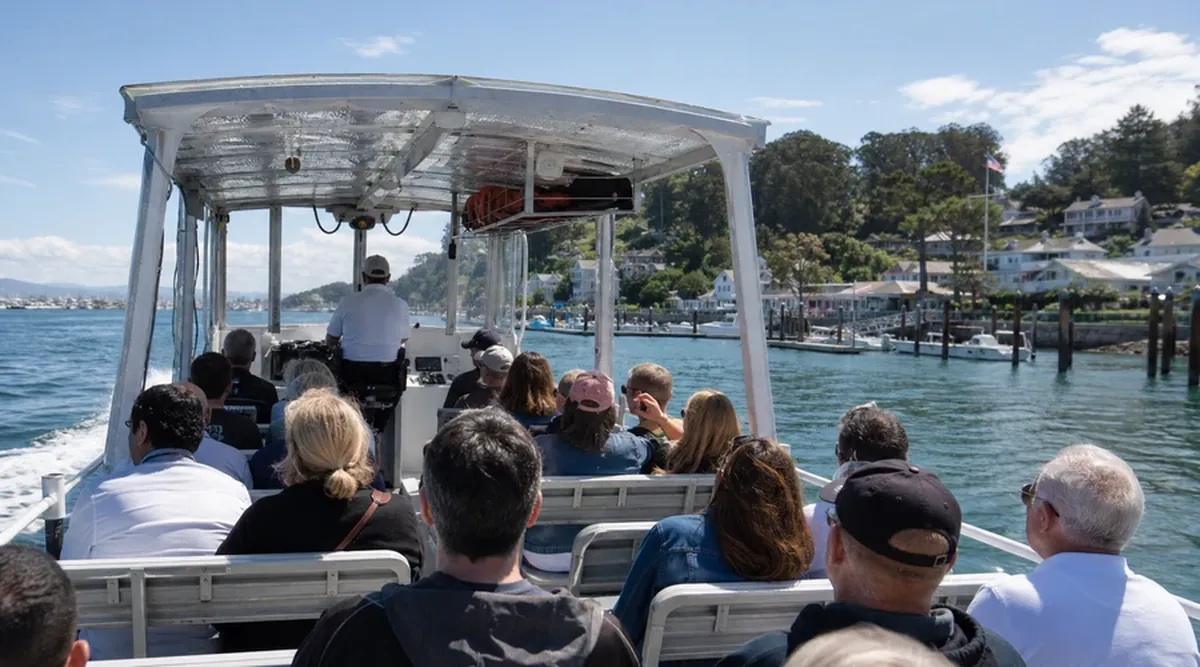
Boat Excursions
Coastal Boat Excursions Across the United States
Boat excursions along U.S. coastlines encompass harbor tours, sailing charters, kayak outfitters, ferry transit to offshore islands, wildlife viewing trips, and educational cruises focused on estuary ecology or maritime history. Each category involves distinct safety regulations, licensing requirements, and environmental considerations administered by the U.S. Coast Guard, state boating agencies, and land managers overseeing departure docks. Educational travelers benefit from understanding vessel types, typical duration ranges, and what operational factors—tidal currents, fog, passenger capacity—affect scheduling before comparing advertised itineraries online.
Commercial passenger vessels carrying more than six paying passengers on navigable waters generally require Coast Guard inspection certificates displayed onboard or available upon request. Charter fishing, sunset sails, and harbor history tours all fall under overlapping regulatory frameworks that educational consumers can verify through USCG vessel documentation queries and state charter license listings where published. Private recreational boating without hired captains demands separate competency credentials including state boater education cards required in many coastal states for operators of motorized craft.
This guide presents general educational information about coastal boat excursions in the United States. It does not constitute personalized travel advice, navigation instruction, or guarantees about wildlife sightings, weather suitability, or departure times. Conditions on water change rapidly. Verify current operator credentials, safety briefings, cancellation policies, and Coast Guard advisories through official channels before boarding any vessel.
Harbor History and Architecture Cruises
Harbor cruise programs in Boston, New York, San Francisco, Charleston, and Seattle interpret waterfront development, bridge engineering, naval history, and port logistics from protected inland waters suitable for large sightseeing boats. Narration quality ranges from scripted historical summaries to live commentary by maritime historians affiliated with regional museums. Educational value increases when cruises reference primary sources—immigration station records, shipyard archives, earthquake retrofit projects—rather than anecdotal trivia without citation.
Smaller harbor tours in working fishing ports including Gloucester, Massachusetts, and Newport, Oregon, may navigate closer to active moorings where deckhands handle gear; passengers should remain seated during maneuvering and follow crew instructions about line handling hazards. Seasonal harbor festivals occasionally restrict cruise routes due to tall ship gatherings or fireworks safety zones published in local notice to mariners summaries available through Coast Guard district websites.
- Confirm whether tours are fully narrated or primarily scenic when historical education is your primary goal.
- Check vessel roof coverage for sun and rain protection on open-deck harbor boats in southern climates.
- Review life jacket locations during mandatory pre-departure safety briefings required on inspected passenger vessels.
Sailing Charters and Wind-Powered Excursions
Sailing charters operate from Chesapeake Bay, San Diego, Hawaii, Maine, and numerous Great Lakes harbors with vessels ranging from historic schooners to modern catamarans. Wind dependence means schedules may shift departure times to align with favorable conditions or cancel when gusts exceed operator safety thresholds. Educational sailing experiences sometimes include guest participation in basic sail handling under crew supervision; physical requirements should be disclosed during booking for travelers with mobility limitations.
Multi-day sailing courses and offshore passages fall beyond casual excursion scope but appear in coastal education programs through community sailing centers affiliated with US Sailing training standards. Day charters typically remain within sheltered waters or coastal ranges visible from shore-based rescue assets. Sunset sailing trips market ambiance; educational travelers should clarify whether naturalist or historical commentary accompanies aesthetic positioning for photography.
- Ask about heel angle expectations on monohull sailboats if motion sensitivity affects your party.
- Wear soft-soled shoes without black marks; many charter decks prohibit hard-soled street footwear.
- Bring windproof layers even on warm afternoons; apparent temperature drops quickly underway.
Kayak, Paddleboard, and Small Craft Outfitting
Guided kayak tours explore salt marshes, mangrove tunnels, sea caves where legally accessible, and calmer bay segments inappropriate for large vessels. Outfitters provide personal flotation devices, paddles, and basic instruction; participants disclose swimming ability honestly because capsizing occurs in benign-appearing conditions when wind against tide creates steep chop. Bioluminescent kayak tours in Florida and Puerto Rico operate at night with strict group cohesion rules to prevent separation in darkness.
Stand-up paddleboard rentals in harbor zones require awareness of motorized traffic lanes and no-wake regulations enforced by harbor patrol agencies. Educational mangrove tours in Everglades and Ten Thousand Islands interpret nursery habitat functions for juvenile fish species while emphasizing minimum-impact paddling distances from roosting birds. Single-use plastic restrictions on some waterways encourage packing reusable hydration containers secured to craft.
- Complete waiver forms accurately regarding health conditions affecting exertion in heat and salt exposure.
- Apply sunscreen before launching; reapplication on water requires stable landing opportunities not always available mid-tour.
- Verify weight capacity limits for tandem kayaks when booking with gear or children.
Ferries, Island Access, and Multi-Modal Trips
Coastal ferries function as transportation infrastructure linking island communities and national park units including Cape Lookout, Cumberland Island, and Channel Islands access points. Ferry schedules integrate tidal constraints at shallow ramps, seasonal frequency reductions, and vehicle reservation systems that sell out during summer holidays. Educational visitors treating ferries purely as scenic cruises should yield vehicle and resident priority boarding to communities dependent on timely service.
Washington State Ferries, North Carolina Department of Transportation ferries, and Maine State Ferry Service publish online schedule PDFs more authoritative than third-party apps displaying obsolete timetables. Multi-modal trips combining ferry transit with island hiking, lighthouse walks, or museum visits require attention to last-return cutoff times; missing final ferries may necessitate overnight stays not reflected in day-trip planning assumptions.
Wildlife and Ecology-Focused Cruises
Estuary ecology cruises on Chesapeake Bay, birding-focused skiff tours in South Carolina ACE Basin, and glacier calving observation boats in Alaska interpret habitat functions distinct from whale watching though some operators combine objectives. Naturalist certification through organizations such as The Naturalist School or regional Audubon chapters indicates baseline training but does not guarantee individual guide quality; asking about guide background during booking is reasonable educational diligence.
Dolphin observation tours in Florida and Gulf states operate under marine mammal approach rules similar to whale watching. Manatee viewing in Crystal River, Florida, involves regulated in-water interaction zones separate from open-coast excursion categories; educational distinctions matter for ethical wildlife engagement. Polar bear observation boat trips from Alaska Native community operators represent specialized Arctic coastal excursions requiring advance planning and cultural sensitivity briefings.
- Compare group size limits; smaller vessels often provide clearer narration and quicker wildlife repositioning within legal bounds.
- Carry dry bags for cameras and medical supplies susceptible to spray on open skiffs.
- Tip crew appropriately when gratuity is not automatically included; service standards vary by region and company policy.
Safety, Insurance, and Environmental Responsibility
Passenger vessel safety includes man-overboard procedures, fire suppression equipment, and radio communication with Coast Guard rescue coordination centers. Educational passengers note location of life jackets and emergency exits during briefings rather than treating announcements as background noise. Alcohol policies vary; some sunset cruises serve beverages while wildlife tours prohibit intoxication affecting balance on moving decks.
Travel insurance may exclude uncovered charter cancellations due to weather; reading policy exclusions prevents surprise losses when operators invoke force majeure clauses. Environmental responsibility includes refusing single-use plastics onboard when operators offer alternatives, avoiding feeding wildlife from boats, and securing trash against wind during transit through marine debris accumulation zones documented by NOAA marine debris program research.
Selecting Operators and Setting Expectations
Educational operator selection weighs Coast Guard inspection status, transparent pricing including fuel surcharges, realistic duration accounting for boarding time, and conservation messaging aligned with agency guidelines. Online review platforms may contain unverified or incentivized content; cross-reference with Better Business Bureau listings and state licensing boards where available. Peak season demand fills popular harbor tours days ahead; advance purchase supports capacity planning without implying any operator guarantees specific experiential outcomes.
Boat excursions complement shore-based coastal education by revealing perspectives invisible from land—working waterfront scale, kelp forest edges, shipping channel markers, and horizon geometry explaining navigation chart conventions. Treating each trip as observational fieldwork rather than entertainment consumption deepens retention and respects crew expertise developed through licensing exams and thousands of hours on local waters.
- Photograph Coast Guard certificate of inspection placard when visible for personal records if questions arise later.
- Ask about restroom availability on vessels under sixty feet where facilities may be absent entirely.
- Plan post-cruise time for land-based recovery when prone to motion aftereffects on multi-hour open-water routes.
- Support operators participating in manatee speed zone compliance monitoring or harbor water quality volunteer programs.